- 15-09-2026
- Computer Vision
Ultralytics YOLO Vision 2026 introduced YOLO27 and new Ultralytics Platform capabilities, including AutoTrain, Agents, and Monitoring, advancing accessible and production-ready computer vision.The event also highlighted advances in edge AI and robotics.
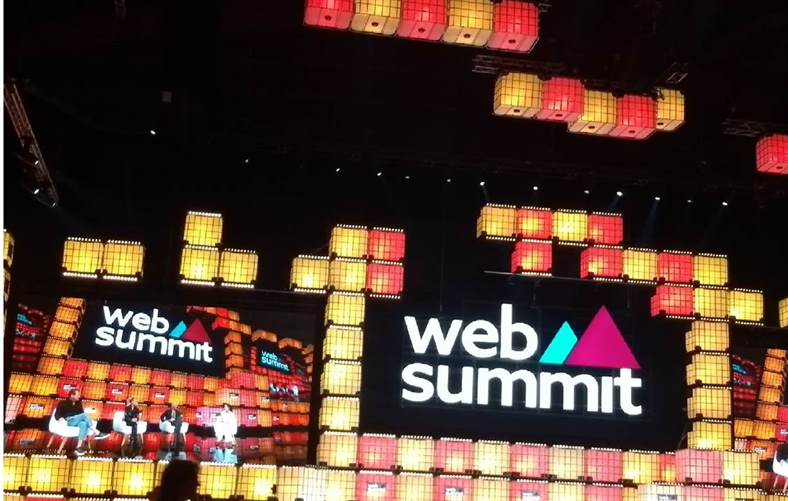
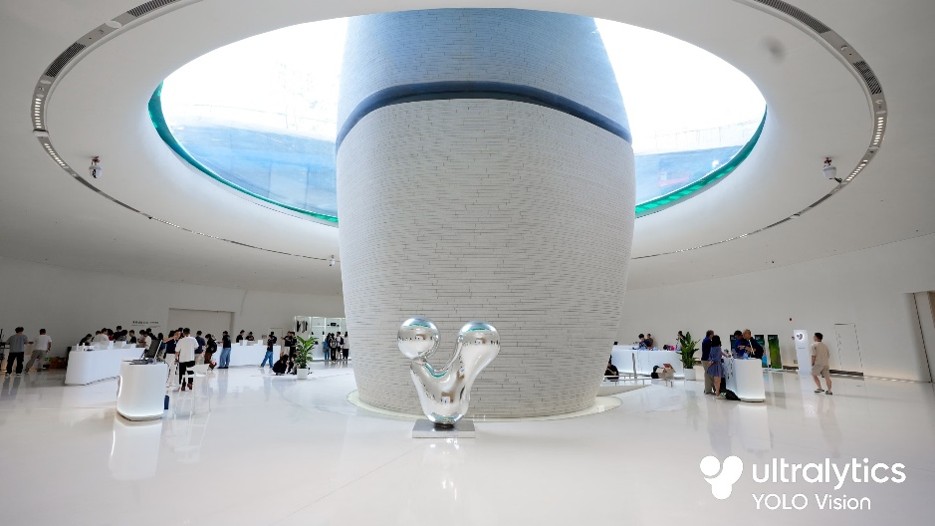
Ultralytics YOLO Vision 2026 brought together the global computer vision community to explore the future of open-source artificial intelligence and its real-world applications. The event, held on September 13, 2026, highlighted the announcement of Ultralytics YOLO27, the next generation of the YOLO model family, alongside significant updates to the Ultralytics Platform. These developments aim to simplify the development, training, deployment, and management of computer vision systems for developers, researchers, and enterprises.
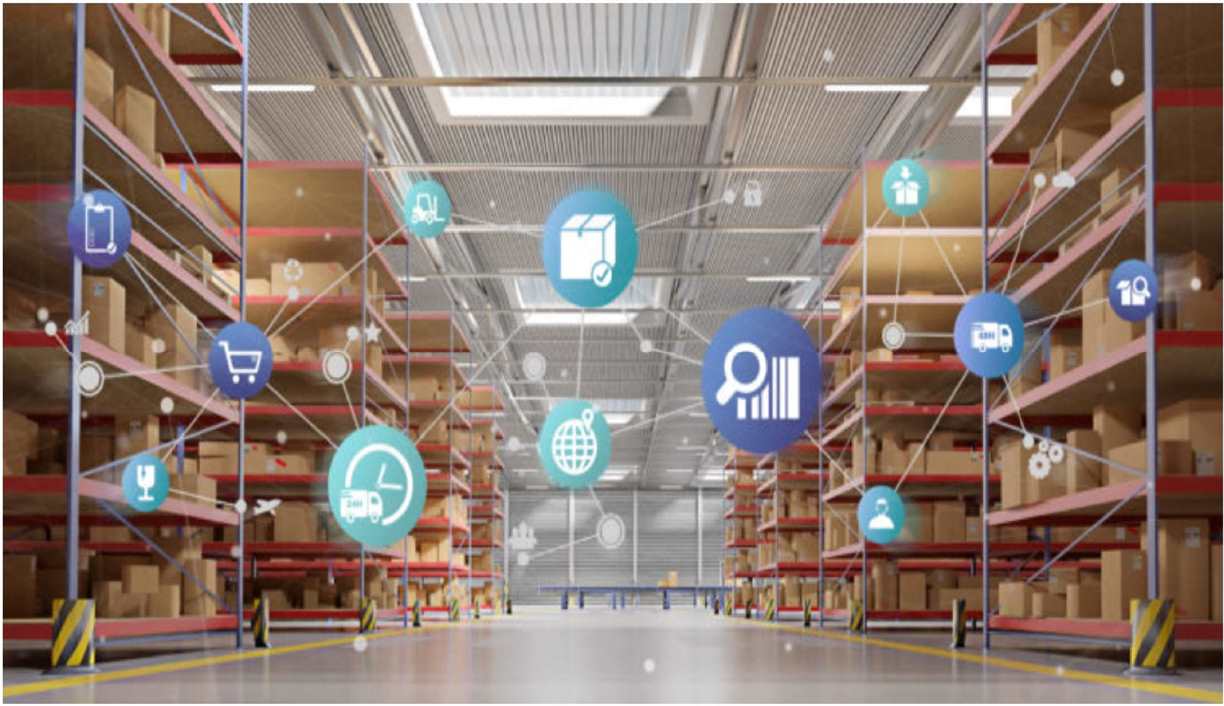
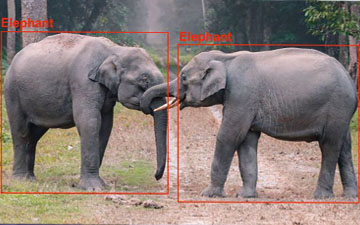
A major highlight was YOLO27, a new model family featuring 28 models across four sizes and seven computer vision tasks, including object detection, segmentation, depth estimation, classification, pose estimation, and oriented object detection. The event also showcased YOLO27 Enterprise models designed for specialized industrial applications, as well as Ultralytics YOLOE-27, which supports open-vocabulary detection and segmentation using text prompts, visual prompts, and prompt-free inference. These capabilities expand the potential of computer vision across sectors such as retail, warehousing, security, aerial imaging, and industrial inspection.
The event also introduced advancements to the Ultralytics Platform, including AutoTrain, Agents, and Monitoring. AutoTrain simplifies model training by helping users discover datasets, initiate training runs, and compare results through a conversational interface. Ultralytics Agents enables users to create visual AI workflows by combining YOLO models, vision-language models, conditions, and actions. Meanwhile, Monitoring provides insights into deployed models through endpoint health, latency, request volumes, errors, logs, and prediction statistics, helping teams maintain reliable AI applications in production.
In addition to product announcements, YOLO Vision 2026 featured technical sessions and demonstrations focused on edge AI, robotics, hardware acceleration, industrial inspection, and responsible AI. Contributors from organizations such as AMD, NVIDIA, Intel, and Qualcomm shared insights into deploying computer vision models across different hardware platforms and real-world environments. Overall, the event highlighted the growing importance of accessible, scalable, and production-ready vision AI solutions that integrate model development with deployment and continuous monitoring. YOLO27 was announced during the event, with availability planned for later in 2026, according to the announcement.